Period property vs. new builds: the positives of both
Period property vs. new build is one of many decisions you’ll make when home-buying. To make your decision making easier, we’ve put together a list of the benefits of both.
Not much divides opinion among homeowners like the period property vs. new build debate.
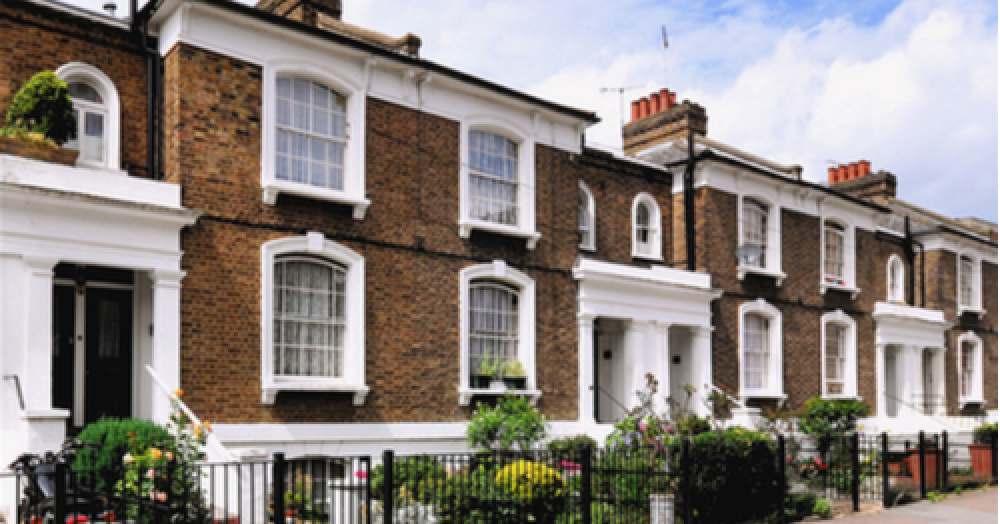
Period properties are full of character; they embody British architecture at its finest, be that the grandeur of a Georgian home or the charm of a thatched-roof cottage. Many people are immediately drawn to this, along with the stability of a period property.
Others would prefer the blank canvas of a newly-built modern home. With crisp newness and modern fixtures, new builds represent 21st-century living at its best. We’ve compiled a list of the things to weigh up to help make your decision easier.
Period property
Added value
In most cases it’s easier to add an extension to a period property, either upwards or at the rear. As well as adding more space, this also adds value to the property if you’re looking to sell in the future.
Characterful features
From the sash windows of a Georgian home to the fireplaces of a Victorian property and the low timber framing of a 19th century build, the characterful features found in period properties retain the charm of eras gone by. It’s these that most people fall in love with when house-hunting and are what make a home unique.
Space
Older properties were typically built with larger, more spacious rooms and reception areas.
Parking
You’ll often find that most period properties have better parking and longer driveways than newbuilds.
Location
Period buildings typically benefit from the most desirable locations, having been built when space was ubiquitous. By virtue of being older, they’ve secured some of the most sought-after spots in towns, often conveniently around communal squares or well-located for major transport links and amenities.
Garden
Like the parking, you’re more likely to have a larger garden with an older property since they tended to be built on larger plots of land.
New build houses
Convenience
A house that comes with new tiling, paintwork and fittings will need minimal - if any - adjustments. You can unpack your belongings and start enjoying your new home straight away.
Energy efficient
Perhaps one of the greatest advantages of a new build is its energy efficiency. New build homes have to comply with the latest building regulations and are typically well insulated with cavity wall foam, loft insulation and double-glazing.
Quality
You can expect new build properties to have fittings and fixtures of the highest quality, new materials. This means they’ll be less susceptible to wear and tear and potentially more cost efficient since you shouldn’t need to replace things any time soon.
Easy to personalise
Buying early in the construction phase affords the opportunity to choose everything from the carpet colours to the kitchen fittings.
Layout
New builds are generally laid out in such a way to reflect modern day living at its best and most convenient. You can expect light, airy rooms, modern gadgets and energy-saving gizmos.
No Chains
You won’t need to wait for someone to move out when buying a brand new property, ridding yourself of the stress of being in a chain.
Help to buy
Initiatives such as the government’s Help to Buy and Shared Ownership schemes make it much easier to get funding for new builds. This makes a new home particularly appealing to first-time buyers who may be struggling to get onto the property ladder and saving for large deposits.